Why We Flew to Shanghai to Build Our Next DTC Product (And Why the West Is Looking in the Wrong Direction)
When most DTC beauty founders talk about innovation, they usually mean changing the label color on an off-the-shelf formulation or buying a slightly different custom bottle from a distributor in New Jersey.
We wanted something different for our U.S. launch, so we got on a plane to Shanghai. Specifically, to the Oriental Beauty Valley.
If you haven’t heard of it, don't worry—most Western brand operators haven't either. While the industry spent decades bowing down to the Cosmetic Valley near Paris—the traditional birthplace of luxury skin science—China quietly built an industrial titan in the Fengxian District. The Oriental Beauty Valley isn't just a industrial park; it's a massive, vertically integrated health and beauty ecosystem housing thousands of brands, testing facilities, packaging innovators, and raw-material manufacturers.

We spent our tour visiting the manufacturing plants that will help us engineer, formulate, and design-pack our next line for the American market. But what really blew us away wasn't just the production speed or the supply chain density—it was the sheer depth of Research & Development happening at companies like Chando.
Take Chando, one of China’s leading skincare giants. While American brands are busy trying to figure out how to optimize a TikTok shop hook, Chando is literally doing R&D in outer space. They partnered with space programs to send yeast strains to the China Space Station to study microgravity mutation and extreme-environment adaptation for skin recovery ingredients.
Let that sink in for a second: space-bred yeast strains developed for topical skin barrier repair.
Whether or not your consumer cares about space bacteria, the ambition tells you everything you need to know about the gap in innovation culture. While we argue over whether a 3% or 5% concentration of niacinamide makes a better ad hook, Asia’s beauty hubs are treating ingredient discovery like aerospace engineering.
Another major area of focus we encountered during our visits was the rapid advancement of neurocosmetics.
If you're unfamiliar, neurocosmetics operates at the intersection of neuroscience and topical skincare, focusing on the "skin-brain axis". The premise is simple: your skin is packed with nerve endings that communicate directly with your nervous system. Cortisol and psychological stress don't just make you feel bad—they trigger real, biological skin reactions like neuroinflammation, sensitivity, and accelerated aging.
Rather than just slapping a layer of occlusive oil on top of irritated skin, neurocosmetics utilizes active ingredients—like specific neuropeptides, adaptogens, and neuromodulating botanicals—designed to calm overactive nerve receptors, modulate stress signals, and influence sensory perception.
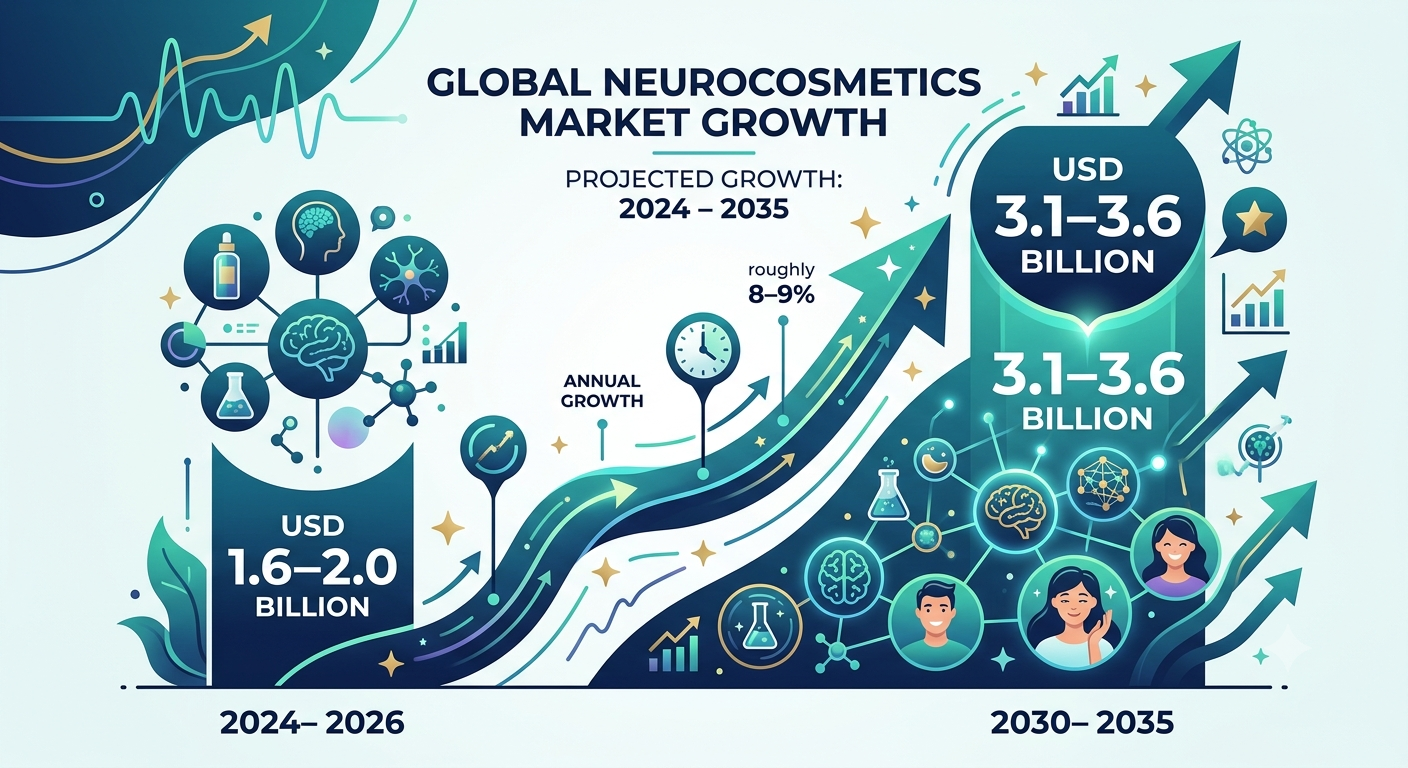
This isn't wellness-bro hand-waving or quartz-roller magic; it is serious bio-tech aimed at cellular stress reduction. And the facilities we toured in Shanghai are already formulating for it at a commercial scale, building the next decade's product category while Western DTC is still trying to re-skin basic hyaluronic acid serums.
So why travel halfway across the globe just to source packaging and build manufacturing relationships?
Because the U.S. DTC market is painfully crowded with brand concepts that are fundamentally identical under the hood. If your entire moat rests on performance marketing or a clever brand identity, you are one iOS update or ad account ban away from extinction. True defensibility starts in the lab and on the factory floor.
By partnering directly with the high-tech manufacturers inside the Oriental Beauty Valley, we aren't just cutting out middleman markup on custom tooling—we're gaining access to cutting-edge delivery systems, proprietary formulation technology, and design capabilities that simply do not exist in standard domestic supply chains.
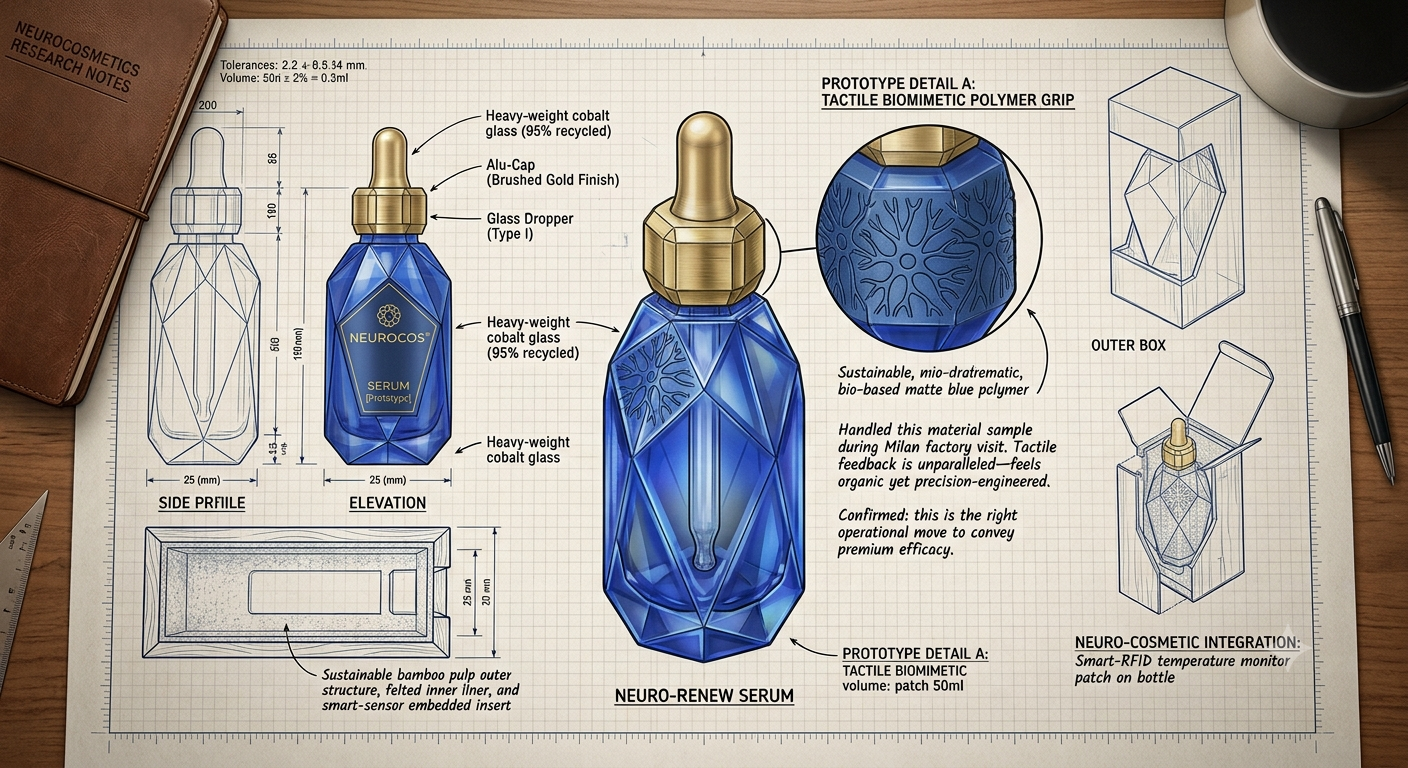
Building products for the U.S. market using an overseas innovation hub requires real legwork, strict quality control, and navigating complex regulatory hurdles. It isn't as easy as clicking a button on a domestic white-label site. But if you want to build a brand that lasts longer than a single venture funding cycle, you have to go where the real science is being built.
The Real Takeaway for DTC Operators
Stop treating product development as an administrative step after you've finished your brand guidelines. If your supply chain is off-the-shelf, your brand is disposable. Look beyond standard domestic catalog manufacturing, find partners who are investing in genuine R&D, and build products where the actual IP belongs to you.